

b1 b2 b12
Mineral Amino Acid Chelates ( Complexes )& Salts; Strengthen Nutritional additives is a key solution in the Nutrition and health industry, specifically within nutrient fortifier and Mineral and amino acid chelates. This article explores how Hebei Finutra Biotech Co., Ltd. supports professionals with durable, high-performance products, and explains why this product is an ideal choice for businesses in these sectors. Table of Contents Mineral Amino Acid Chelates ( Complexes )& Salts; Strengthen Nutritional additives Overview Benefits & Use Cases of Mineral Amino Acid Chelates ( Complexes )& Salts; Strengthen Nutritional additives in Mineral and amino acid chelates Cost, Maintenance & User Experience Sustainability & Market Trends in Nutrition and health industry Conclusion on Mineral Amino Acid Chelates ( Complexes )& Salts; Strengthen Nutritional additives from Hebei Finutra Biotech Co., Ltd. Mineral Amino Acid Chelates ( Complexes )& Salts; Strengthen Nutritional additives Overview Mineral amino acid chelates (also called complexes) and mineral salts are engineered nutrient fortifiers designed to deliver essential minerals in a stable, bioavailable, and formulation-friendly form. In chelates, a mineral ion is bound to one or more amino acids (such as glycine, lysine, or methionine) via coordinate bonds, creating a ring structure that can help shield the mineral from antagonists in the matrix. This reduces reactivity, improves tolerance, and supports predictable performance across formats. Typical offerings include iron, zinc, magnesium, calcium, copper, and manganese as glycinate/bisglycinate, lysinate, and other amino acid complexes, alongside carefully selected mineral salts for specific cost or solubility targets. For B2B formulators, the relevance is clear: consistent assay, controlled particle size, and good compressibility are pivotal to scale-up. Compared with some inorganic salts, chelates are less likely to cause color or flavor drift, and they maintain stability across a broader pH range in beverages and functional foods. Hebei Finutra Biotech Co., Ltd. supports these requirements with robust quality management, strict raw-material selection, and documented specifications tailored to the Nutrition and health industry. The company’s Mineral Amino Acid Chelates ( Complexes )& Salts; Strengthen Nutritional additives portfolio is built to help you meet global formulation standards and accelerate time-to-market. Benefits & Use Cases of Mineral Amino Acid Chelates ( Complexes )& Salts; Strengthen Nutritional additives in Mineral and amino acid chelates Applications span dietary supplements (tablets, hard-shell capsules, stick packs), functional beverages (clear, cloudy, or dairy-based), gummies and confectionery, meal-replacement powders, and fortified cereals and bakery. For example, ferrous bisglycinate is often chosen to minimize metallic notes compared with some iron salts, while magnesium bisglycinate is valued for tolerance and compressibility in tablets. Where rapid dissolution is needed, selected mineral salts complement chelates to balance cost-in-use and processing efficiency. Across these use cases, Mineral Amino Acid Chelates ( Complexes )& Salts; Strengthen Nutritional additives help teams hit label claims with fewer formulation compromises. Formulation stability: chelates reduce interactions with polyphenols, phytates, and other matrix components, supporting consistent color, flavor, and clarity. Bioavailability focus: chelation can support efficient mineral delivery, allowing targeted dosing strategies and potentially lower overages. Manufacturing advantages: good flow, compressibility, and low hygroscopicity options streamline scale-up and high-speed filling. Hebei Finutra Biotech Co., Ltd. brings strong formulation know-how, application guidance, and a broad selection of chelates and salts to fit beverage, food, and supplement matrices. The company’s B2B focus ensures consistent batch quality and technical documentation to support regulatory and QA needs worldwide. Cost, Maintenance & User Experience Total cost of ownership in nutrient fortification goes beyond cost-per-kilogram. Mineral Amino Acid Chelates ( Complexes )& Salts; Strengthen Nutritional additives can reduce formulation overages, limit the need for flavor masking, and mitigate equipment wear linked to highly reactive salts—all of which influence overall ROI. The right chelate-salt combination also supports higher line efficiency by improving flowability and compressibility, reducing downtime during tableting or filling. Over time, these efficiency and quality benefits can outweigh small differences in raw-material unit price. From a user-experience standpoint, customers in premix, beverage, and supplement manufacturing report smoother scale-up and fewer sensory adjustments when switching to suitable chelate grades. Storage guidelines are straightforward: keep materials in original, moisture-protective packaging, away from direct heat and humidity, and follow FIFO practices. Hebei Finutra Biotech Co., Ltd. provides specification sheets, CoAs, and application recommendations to support procurement, QA, and operations teams—helping decision makers quantify risk and ensure consistent throughput. Sustainability & Market Trends in Nutrition and health industry Clean label, gentle-on-gut positioning, and performance-at-lower-dose are shaping the mineral fortification landscape. Chelation strategies align with these trends by enabling efficient mineral delivery with fewer formulation trade-offs. Regulatory expectations across major markets prioritize quality systems, traceable sourcing, contaminant control, and transparent documentation—factors central to supplier selection for global brands. As functional foods, sports nutrition, women’s and healthy aging categories expand, demand for versatile mineral forms in RTDs, gummies, and convenient formats continues to rise. Hebei Finutra Biotech Co., Ltd. positions sustainability as a continuous-improvement journey—emphasizing responsible raw-material selection, process efficiency, and waste minimization where possible. By offering Mineral Amino Acid Chelates ( Complexes )& Salts; Strengthen Nutritional additives with consistent quality and technical transparency, Finutra helps brands reduce reformulation cycles, optimize dosing, and streamline logistics—practical levers that contribute to lower environmental impact per functional serving. Conclusion on Mineral Amino Acid Chelates ( Complexes )& Salts; Strengthen Nutritional additives from Hebei Finutra Biotech Co., Ltd. For B2B decision makers, Mineral Amino Acid Chelates ( Complexes )& Salts; Strengthen Nutritional additives provide a strategic path to reliable fortification—balancing bioavailability, sensory performance, and manufacturing efficiency. Within the nutrient fortifier category, chelates and complementary salts from Hebei Finutra Biotech Co., Ltd. offer the flexibility to meet diverse formulation goals across supplements and functional foods. Partner with a supplier focused on quality, consistency, and applied support. Proven fit for Nutrition and health industry / nutrient fortifier / Mineral and amino acid chelates requirements. Trusted reputation and technical guidance from Hebei Finutra Biotech Co., Ltd. Contact us: info@finutra.com — Visit our website: https://www.finutra.com
Finutra devotes to be an integrated supplier for global supply chain, we offer a
broad array of raw materials and functional ingredients
valerian extract for anxiety
Valerian Extract Valerenic Acid Herbal Extract Anti Depression Chinese Raw Material is at the forefront of the herbal ingredients market, addressing growing demand for natural mood-support solutions and anti-depression applications. With decades of clinical research backing the efficacy of Valerian Extract and its principal active component Valerenic Acid , Chinese manufacturers have become signif
magnesium and taurine for anxiety
Chamomile extract has long been praised for its soothing properties and has become an increasingly popular choice for those seeking a natural remedy for anxiety. Derived from the daisy-like chamomile plant, this herbal extract has been used for centuries in traditional medicine practices across various cultures. The effectiveness of chamomile extract in reducing anxiety stems from its active compo
chitosan coated liposomes
Understanding Advanced Liposomal Delivery Systems In the rapidly evolving landscape of nutraceuticals and pharmaceuticals, the demand for enhanced bioavailability and targeted delivery of active compounds has never been greater. Traditional delivery methods often face challenges such as degradation by digestive enzymes, poor absorption, and rapid metabolism, significantly limiting the efficacy of
the benefits of vitamin b2
In today’s fast-paced world, ensuring optimal health is crucial for consumers. Vitamins play a vital role in supporting bodily functions, enhancing the immune system, and promoting overall well-being. As a manufacturer or brand owner, understanding the essential vitamins and their benefits can help you make informed decisions when sourcing ingredients for your products. Wholesale Multivitamins: A
magnesium glycinate 100 mg tablets
When it comes to maca supplements, the maca extra strength 1200 mg dosage stands out as one of the most potent options available. This powerful supplement is designed to deliver a concentrated amount of maca root, which is known for its ability to enhance energy, stamina, and overall vitality. At 1200 mg, this dosage provides an effective amount for both men and women looking to experience the num
alpha gpc muscle
Alpha GPC , or L-alpha-glycerylphosphorylcholine , is a cholinergic compound renowned for its cognitive-enhancing properties and potential to boost athletic performance. This article provides an in-depth analysis of its features, advantages, technical specifications, application scenarios, and the background of its manufacturer, Hebei Finutra Biotech Co., Ltd. Understanding Alpha GPC: A Cognitive
Authoritative Certification
Continuous Innovation, Customer First
Enhance core competitiveness to bring customers better products and services,
Each of these is the result of our team's relentless pursuit of excellence
and our deep commitment to social responsibility.






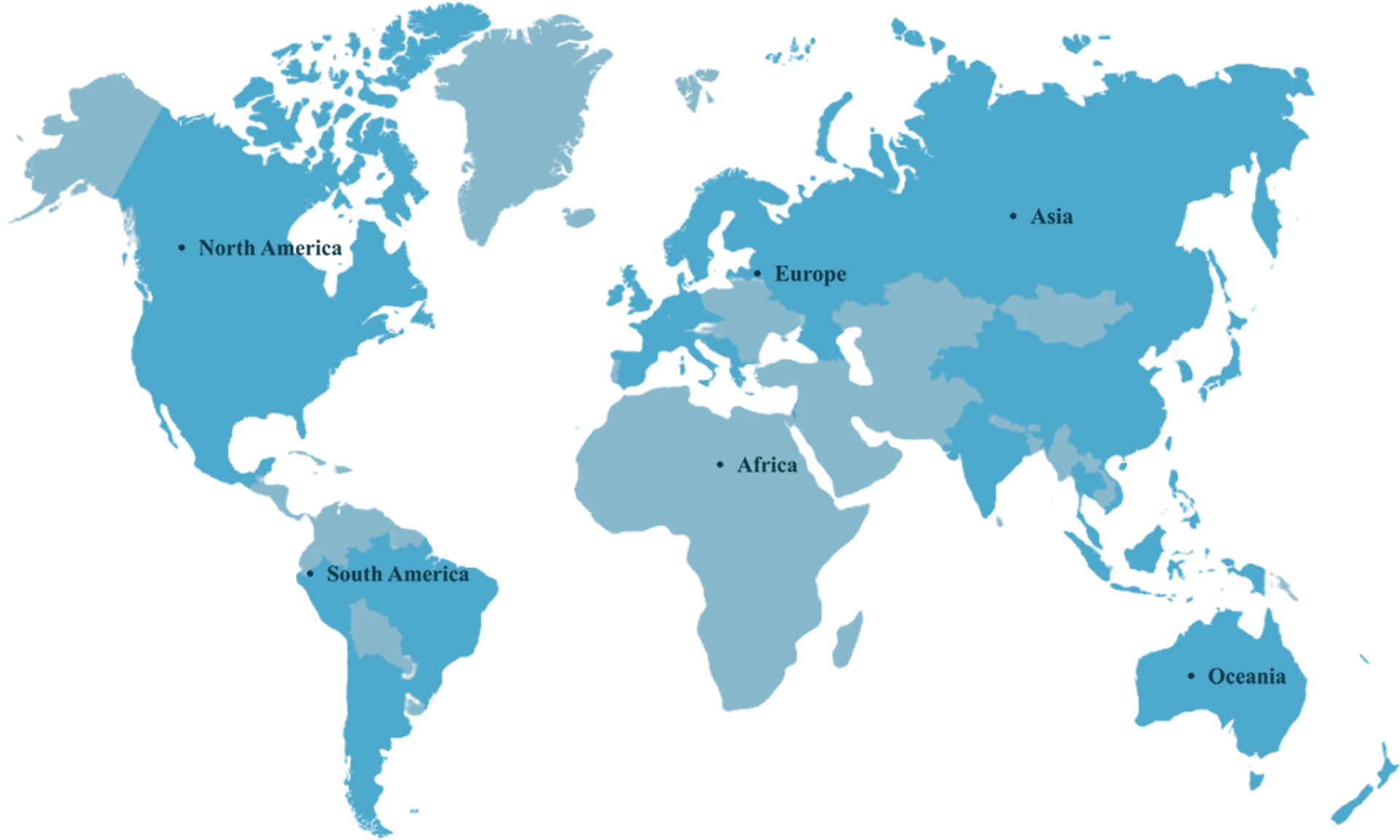
Global
Reach
FINUTRA has over 350,000 square feet of manufacturing and warehouse
space worldwide.
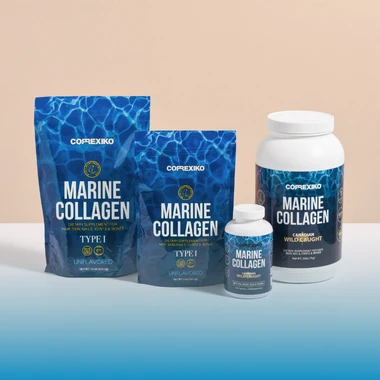
Industries We Serve



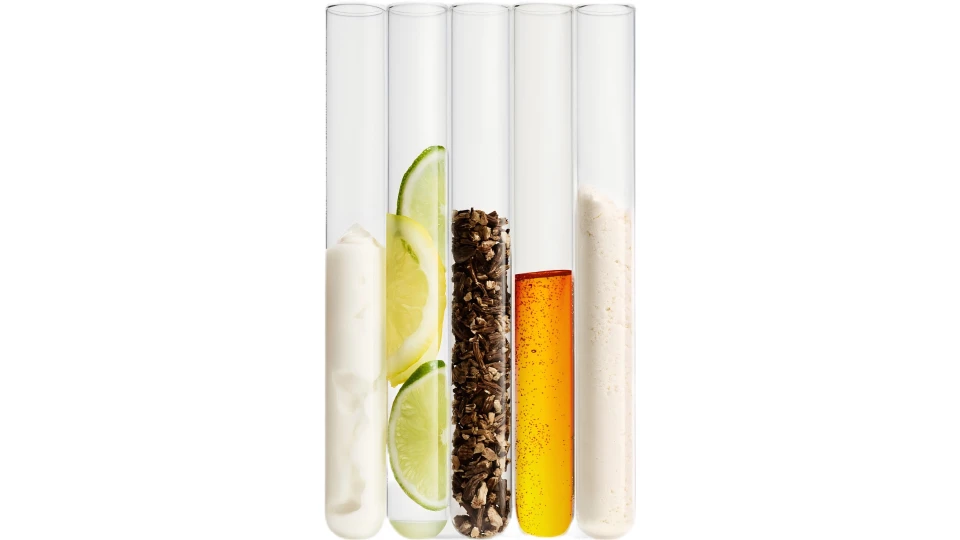
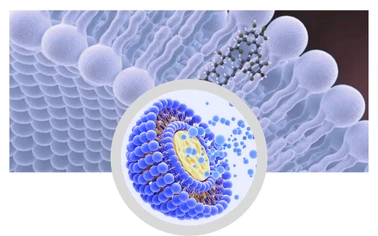
Advanced molecular distillation and microencapsulation
technology. Extremely bioavailable
trace carotenoids Intuitively soluble.







STAY UPDATED
Receive special offers and first look at new
products.
products.


Building 23B1, No.2 Yuanboyuan St., Zhengding Area of China (Hebei) Pilot Free Trade Zone
QUICK LINK
Finutra devotes to be an integrated supplier for global supply chain, we offer a broad array of raw
materials and functional ingredients as a manufacturer, distributor and supplier for global Beverage,
Nutraceutical, Food, Feed and Cosmeceutical.
Copyright © 2025 Hebei Finutra
Biotech Co.,
Ltd. All
Rights Reserved.
Privacy Policy


